Sacramento Valley Astronomical Society
Sharing the Wonders of the Universe
Our mission is to inspire and foster a love for astronomy by promoting exploration and education. We support members and the community in learning about astronomy, conducting astronomical observations, and capturing the beauty of the universe with astrophotography. Engaging programs and initiatives make the wonders of the night sky accessible and enjoyable for everyone.
The Sacramento Valley Astronomical Society (SVAS), one of the oldest astronomical societies in the United States, has been inspiring a love for the cosmos since its founding in 1945 by a group of 50 passionate astronomy enthusiasts. Today, SVAS brings together a diverse community of members, from young students and curious amateurs to esteemed college professors and even a world-renowned comet hunter, united by their shared fascination with the night sky.
As a nonprofit educational organization, SVAS is deeply committed to serving the Northern California community. Through our cherished Outreach programs, we spark curiosity and provide opportunities for people of all ages to explore the wonders of the universe. For our members, we offer enriching experiences like telescope workshops, a loaner telescope program, and exclusive star parties under the awe-inspiring Sierra skies.
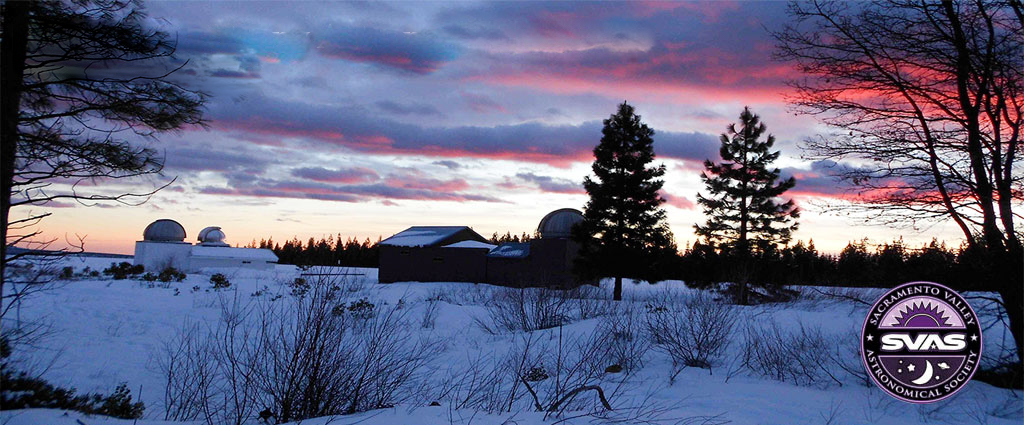
At the heart of our society is the SVAS Observatory, nestled on Forest Service land high in the Sierra Mountains. This unique facility offers members unparalleled access to the stars, fostering discovery and camaraderie in a setting that inspires awe.
DonateWelcome

Teachers

Curious
Observers

Imagers
When the science class gets to the subject of Astronomy, we can help.
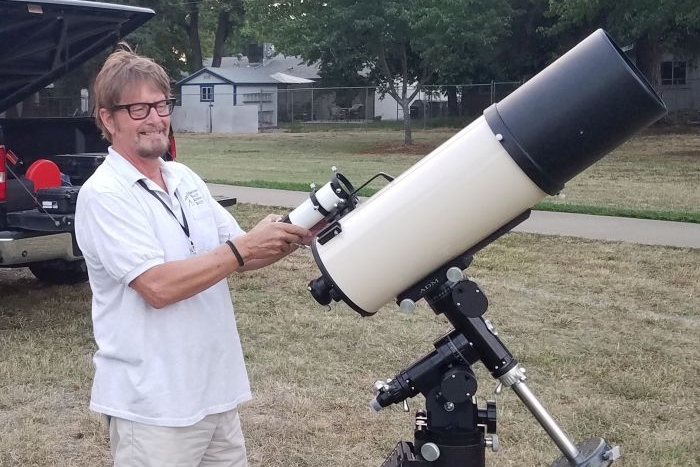
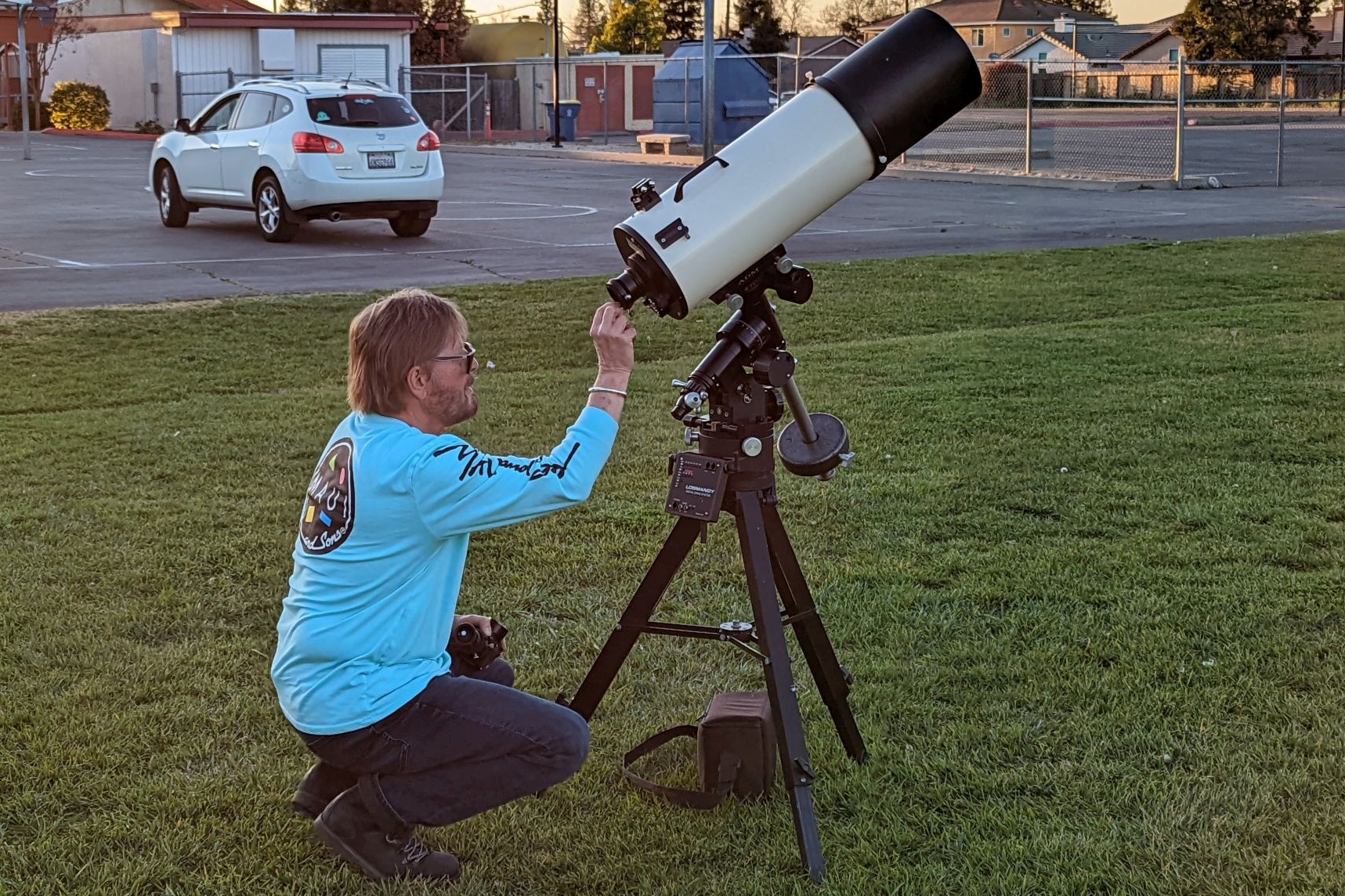
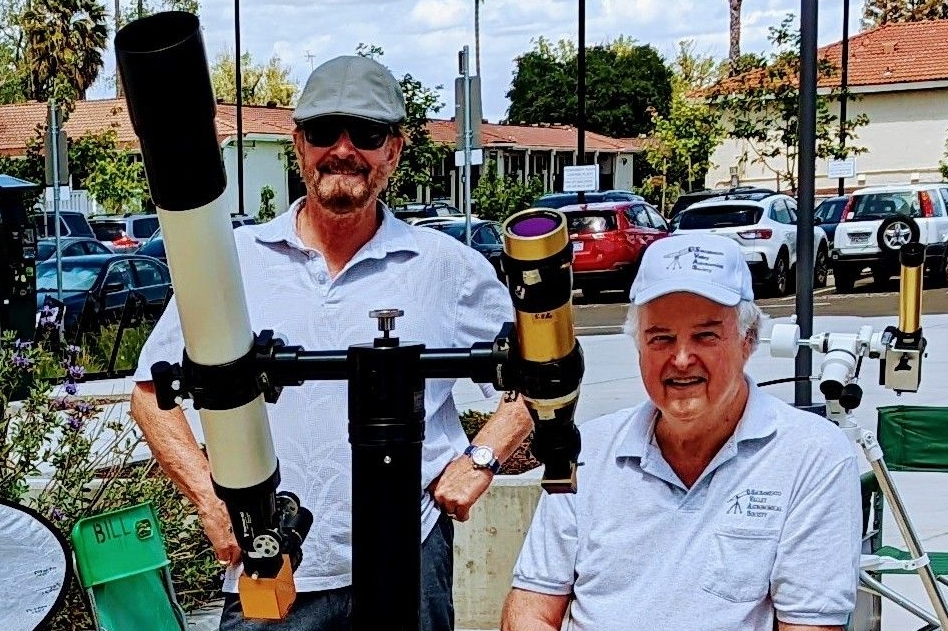
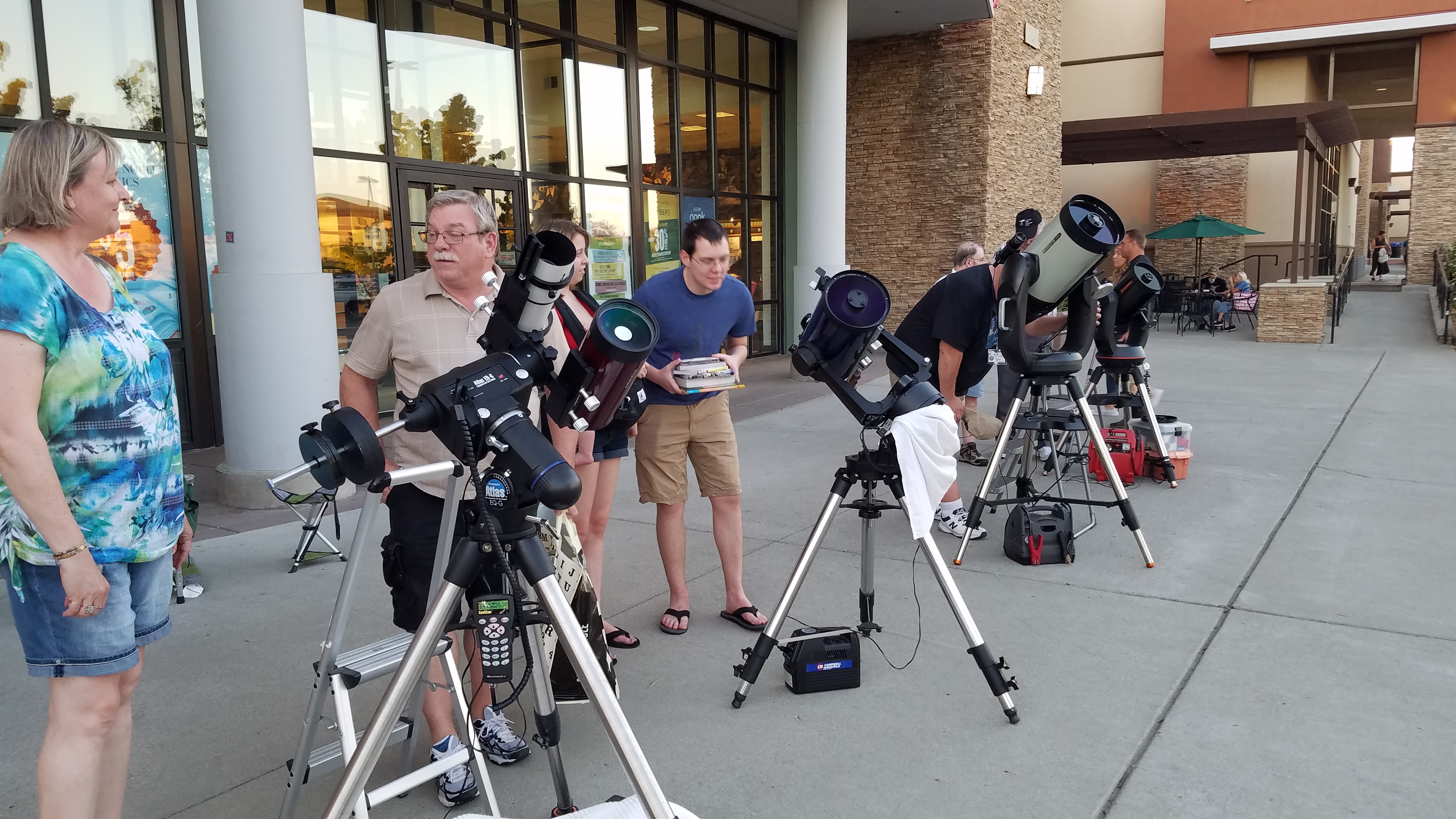
- Daytime solar viewing. Our volunteers, with safely filtered telescopes, will show your students the sun. We have white light and Hydrogen Alpha filters that reveal solar prominences.
- Evening star parties. At your location, we can show your class(es) solar system objects and, if conditions are right, deep sky objects.
- Contact our Outreach Director - outreach@svas.org
- Outreach/School Star Parties
If you just like to learn all you can about Astronomy, we get that.
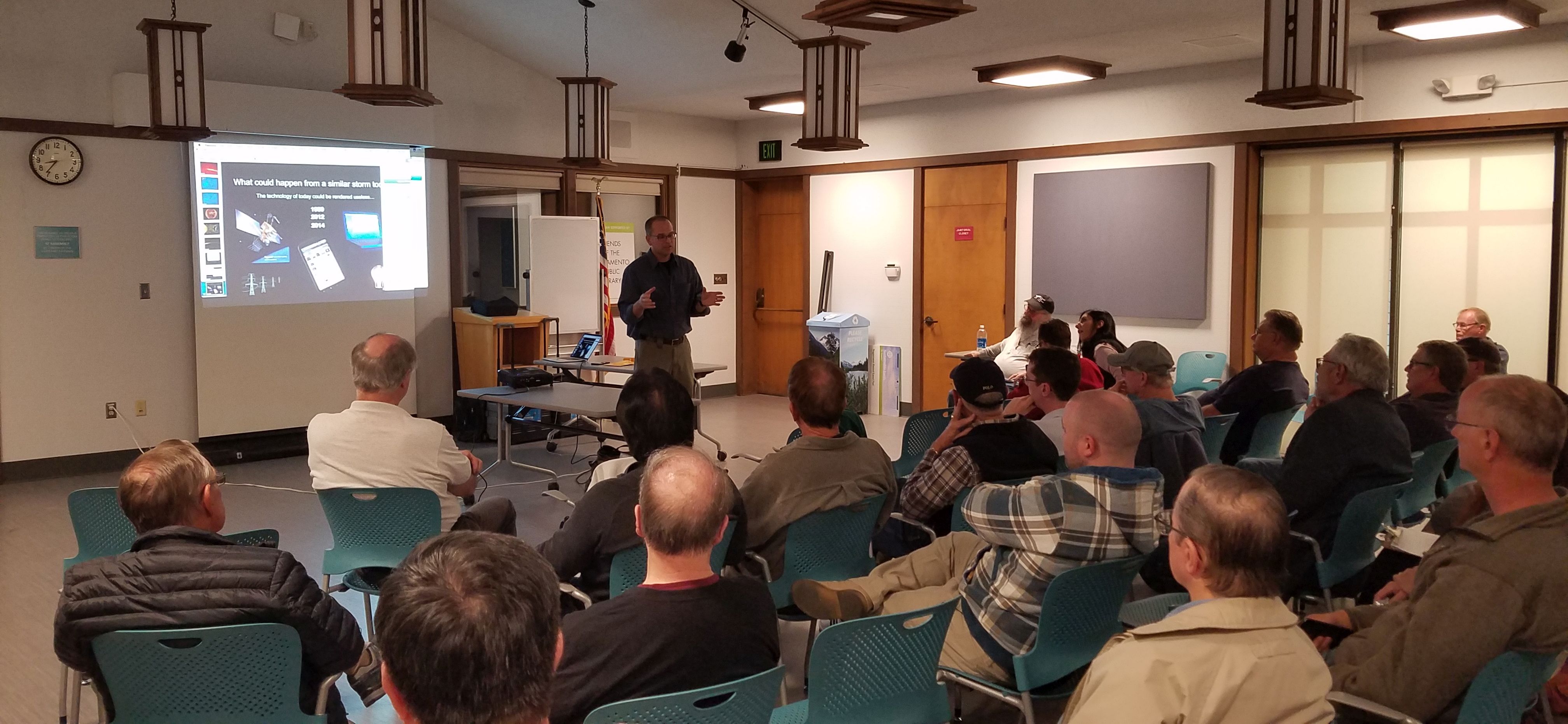
- Monthly General Meetings are a great place to come and learn more about Astronomy. We have presentations by our own club members and guest speakers, and the room is filled with like minded enthusiasts to share information.
- Newsletters. The SVAS Observer is rich with information on upcoming club activities, special events, and articles related to astronomy in general. The SVAS Observer newsletter is published every other month.
- Public Events. Check our events calendar for times and locations of our public outreach events, like Sunday Funday at Rusch Park, or any celestial event like comets and eclipses.
If you have your own equipment, we've got a place for you.
- Monthly Star Parties. We meet at our dark sky site in the Sierra's on the Saturday nearest the New Moon.
- Share knowledge. We've got members of all levels and some are quite proficient in the hobby. There is usually help nearby at Star Parties or in our email forum.
- Outreach. A large part of our mission, and because it's fun, is our public outreach. Sharing the joys of Astronomy with the public is as rewarding as it sounds.
For the serious observer and imager, check it out.
- Henry Grieb Observatory Members have access to our observatory on star party nights.
- Imaging Gallery. Post your work on our website.
- Monthly image processing class using PixInsight and RC Astro tools.
- Bi-yearly image acquisition class using N.I.N.A.
- Optional, as requested. Image processing class using free software: GraXpert, Siril and Gimp.
- Members gain access to the library of data captured by the club's Stellarvue SVX152.
Highlights
Outreach/School Star Parties
Observing Trips
Scholarships
Amateur Telescope Making
Monthly Star Parties
Public Events
Newsletter
General Meetings

Monthly Imaging Classes
Outreach/School Star Parties
In addition to Public Events, we make our scopes available by appointment. . .
School Star Parties
School star parties are events where SVAS volunteers go out to a host organization’s planned event with telescopes and educational astronomy presentations and activities. Please note that this is an educational, not entertainment, program. For those who qualify we will travel to an appropriate location of your choice within a 30 mile radius of Sacramento.
For more information or to book an event, review the Star Party Guidelines
Observing Trips
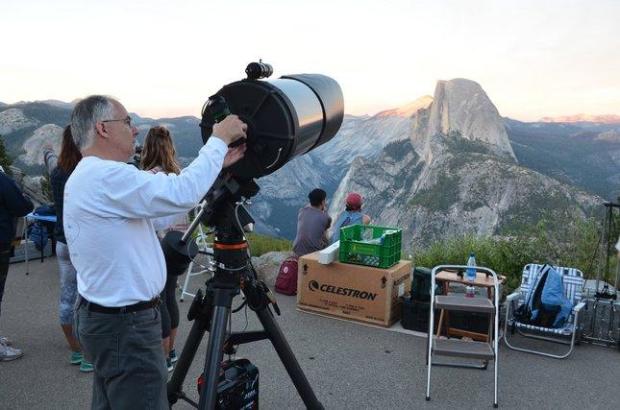
Yosemite Glacier Point
In June, July, and August, amateur astronomers often set up telescopes at Glacier Point on Saturdays, and astronomy walks or talks are also be offered in Yosemite Valley, Tuolumne Meadows, and Wawona.
Black Butte Lake Star Party
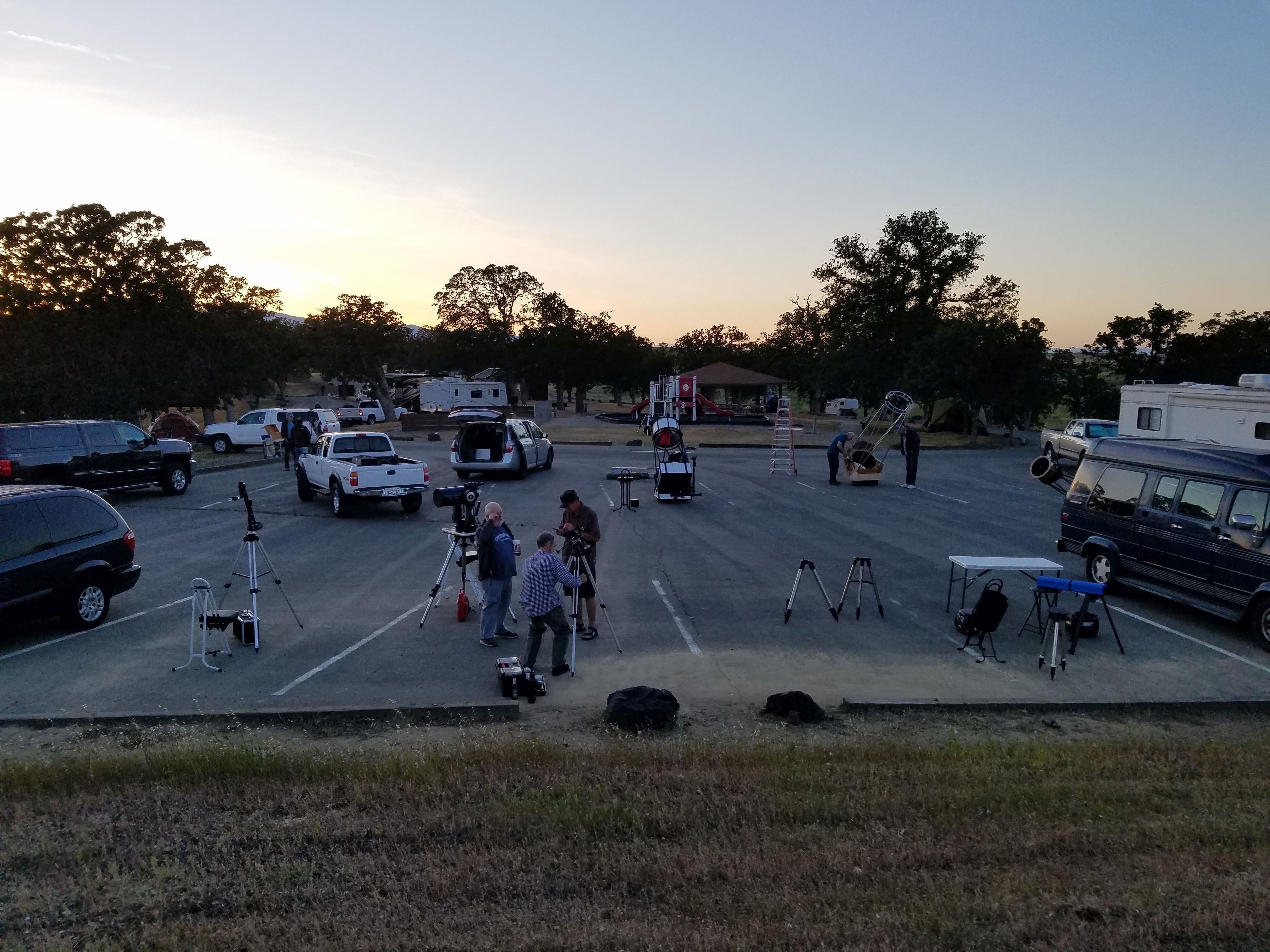
Black Butte Lake is the perfect place for a star party. The skies are dark and comparable to Shingletown or Adin. Access is easy and the roads are excellent. Camping and RV sites are clean and spacious. Water, restrooms, hot showers, an on-site dump station, wildlife and cooperative rangers all will contribute to a comfortable and pleasant stay. All lights will be controlled by the park rangers in the campground, so light pollution will be at a minimum.
Few places in California combine such pastoral character with dark skies and comfortable camping. And in spring, the rolling oak foothills will be carpeted with green grass.
Because of limits on the number of people and vehicles, this star party is private. Attendance is by invitation only!
Black Butte Lake Star PartySVAS Scholarship Program

The Anderson/Killick and Smyth Funds have been transferred to and are managed by the Los Rios Colleges Foundation.
Scholarship Opportunity
Available to students in the Los Rios Community College District who are actively studying astronomy or physics and plan to transfer to a four-year university in the same field.
- Minimum 3.0 GPA
- Completion of at least nine STEM units (preference for astronomy or physics courses)
- Selection based on merit and academic performance (financial need may be considered)
Recipients will also receive a free two-year membership to SVAS.
Amateur Telescope Making (ATM)
Lonnie Robinson brings you the very best in Amateur Telescope Making (“ATM”). He can help with all aspects of Dobsonian telescope building from design and construction to mirror making. He is happy to help with “telescope tune ups” involving mirror cleaning, collimation, and adding equipment upgrades.
Lonnie's website is: www.hourglass-telescope-mirrors.com
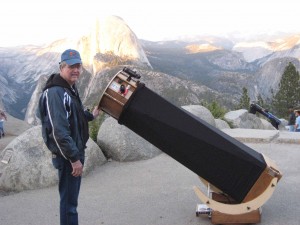
Engineering Lightweight Dobsonian Telescopes
by Lonnie Robinson
Updated 2013
John Dobson really started something with his Dobsonian “Dob” telescope design. He enabled the average Amateur Telescope Maker “ATM” to create a large and very stable telescope with common workshop tools. In this article, Lonnie shares his personal thought process and his lightweight Dob building adventure with you, hopefully adding some additional fresh ideas to help inspire your new Dob telescope project.
Star Parties
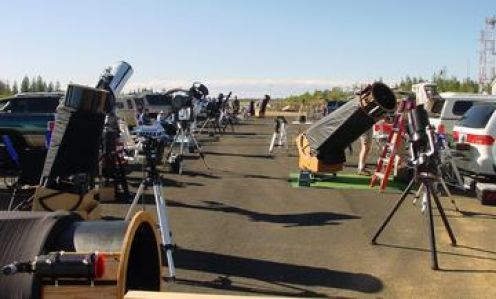
Monthly Star Parties
Each month, on the Saturday closest to the New Moon, members and their guests gather under the stars for some great dark sky viewing.
Rules Governing the SVAS' dark site (USFS Special Use Permit)Star BQ
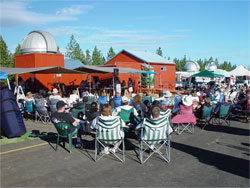
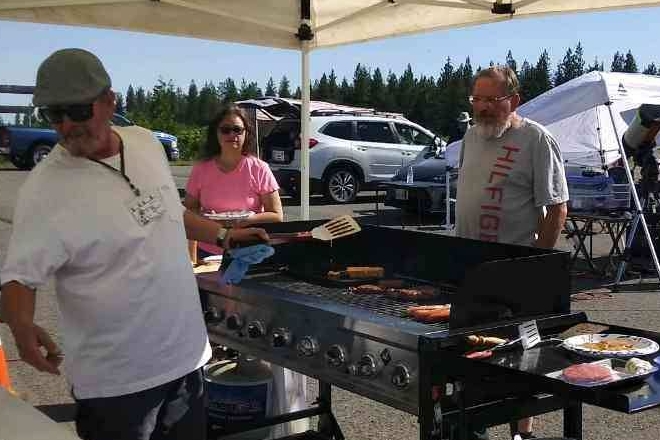
This is our major event of the year. Just like a Monthly Star Party only with: Potluck, Raffle, Bar-B-Q.
SVAS Star-BQ 2018, a film by Jason RaleyGeneral Meetings
Usually on the third Friday of the month [check the events calendar], at 7:00pm, join us for interesting speakers and conversation.
Newsletter
The SVAS Observer
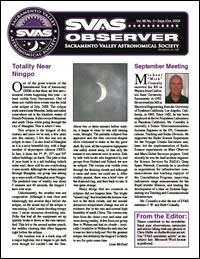
The SVAS Observer is the official newsletter of the Sacramento Valley Astronomical Society.
You can find information on upcoming club activities, special events, and articles related to astronomy in general.
Here's our May 2020 issue:
Observer May-June 2020
Submissions
Articles: Except for individually copyrighted stories, permission is granted to other amateur astronomy organizations to reproduce in whole or in part for internal non-profit use, provided credit is given to the SVAS Observer and to authors of the reproduced materials.
Submit articles: Manuscripts and letters from members are welcome via email in Word (preferred) or text format. Items may be emailed to the editor at newsletter@svas.org. Please write “SVAS Observer” in the title of your email.
Deadline for the following month’s newsletter is always the 22nd of the month.
Advertising— Commercial, non-personal advertising, business card through full page, is available. Contact editor for more information. Classified advertising is free to members of the SVAS. Submit ads to editor.
Copyrighted material appears in this publication solely for non-profit educational and research purposes, in accordance with Title 17 U.S.C. section 107.
The Observer Archives
Take a look at the great collection of Lonnie's Newsletters since 2012. . .
Public Events
Celestial Events
Events like comets, solar and lunar eclipses, meteor showers and planetary oppositions, are great opportunities to get the public exposed to the thrills of astronomy. Check our Upcoming Events to see if something is on the horizon.
The Eclipse, with Dave and Walt, on ABC10tvPublic Outreach Award
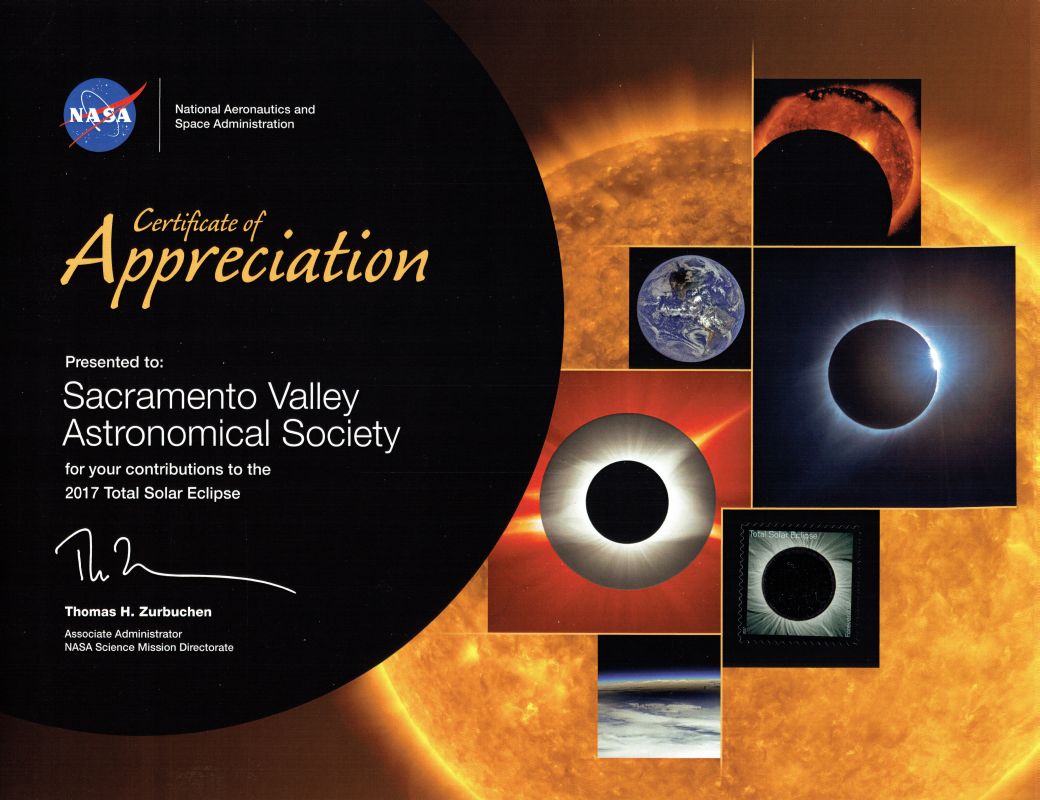
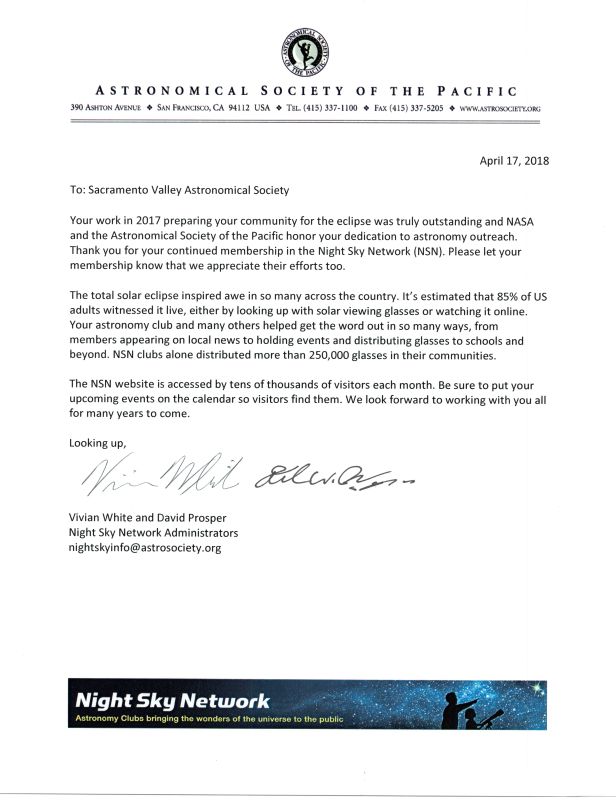
Monthly Imaging Classes
- Monthly image processing class using Pixinsight and RC Astro tools.
- Bi-yearly image acquisition class using N.I.N.A.
- Optional, as requested. Image processing class using free software: GraXpert, Siril and Gimp.
- Members gain access to the library of data captured by the club's Stellarvue SVX152.
Click images for full resolution.
M17

Messier 17, The Omega Nebula.
48x300" Ha
40x300" Oiii
45x300" Sii
Total integration time: 11 hours, 5 minutes
Telescope: Stellarvue SVX152T
Flattener: 1x Flattener, 1200mm focal length
Mount: iOptron Cem120
Camera: QHY600M
Guide Camera: ZWO ASI 290mm
Filters: Chroma LRGB
Mount: iOptron CEM120
Computer: Mele Quieter 2q
Focuser: Pegasus Focus Cube v2
Camera Rotator: WandererAstro Mini
Flat Panel: BravoHotelAstro flat panel
M20

Messier 20, The Trifid Nebula.
63x120" R
56x120" G
56x120" B
71x120" L
Total integration time: 8hours, 12 minutes
Location: Blue Canyon, CA
Telescope: Stellarvue SVX152T
Flattener: 1x Flattener, 1200mm focal length
Mount: iOptron Cem120
Camera: QHY600M
Guide Camera: ZWO ASI 290mm
Filters: Chroma LRGB
Mount: iOptron CEM120
Computer: Mele Quieter 2q
Focuser: Pegasus Focus Cube v2
Camera Rotator: WandererAstro Mini
Flat Panel: BravoHotelAstro flat panel
Leo Triplet

107x120" R
100x120" G
107x120" B
110x120" L
Total integration time: 14hours, 8 minutes
Location: Long Point
Telescope: Stellarvue SVX152
Flattener: 1x Flattener, 1200mm focal length
Camera: QHY600M
Guide Camera: ZWO ASI 290mm
Filters: Chroma LRGB
Mount: iOptron CEM120
Computer: Mele Quieter 2q
Focuser: Pegasus Focus Cube v2
Camera Rotator: WandererAstro Mini
M101

Community Observatory's TEC 180 refractor:
21x120" B
21x120" G
18x120: L
20x120" R
Total Integration Time: 2 hours and 40 minutes
Camera: QHY268M
Filters: Astrodon LRGB
SVAS Stellarvue 152T refractor:
68x120" L
75x120" R
71x120" G
74x120" B
Total integration time: 9 hours 36 minutes
Sky Quality: 21.5
Camera: QHY600M
Filters: Chroma LRGB
M101, The Pinwheel Galaxy. For this project, SVAS collaborated with the Community Observatory to capture the same image. A little over 12 hours of combined exposure time was processed between the 2 refractors.
M51

51x120" L
54x120" R
52x120" G
52x120" B
Total integration time: 6 hours 58 minutes
Sky Quality: 21.6
Telescope: Stellarvue SVX152
Camera: QHY600M
Guide Camera: ZWO ASI 290mm
Filters: Chroma LRGB
Mount: iOptron CEM70
Computer: Mele Quieter 2q
Focuser: Pegasus Focus Cube v2
Camera Rotator: WandererAstro Mini
Pegasus DewZap controller and 2 Dew Not heater strips
M81

122x120" L
130x120" R
125x120" G
124x120" B
40x600" Ha
Total integration time: 23 hours 22 minutes
Sky Quality: 21.3 for LRGB, ~18 for Ha
Telescope: Stellarvue SVX152
Camera: QHY600M
Guide Camera: ZWO ASI 290mm
Filters: Chroma LRGB
Mount: iOptron CEM120
Computer: Mele Quieter 2q
Focuser: Pegasus Focus Cube v2
Camera Rotator: WandererAstro Mini
Pegasus DewZap controller and 2 Dew Not heater strips
Bode's Galaxy, The Cigar Galaxy and The Garland Galaxy (M81, M82 and NGC3077). The project begun December 2023 from Blue Canyon. A partial night was added from Long Point February 2024. Ha was added March 2024.
NGC6888

6x60" R
6x60" G
6x60" B
31x600" Oiii
45x600" Ha
Total integration time: 12hours, 58 minutes
Telescope: Stellarvue SVX152
Flattener: 1x Flattener, 1200mm focal length
Camera: QHY600M
Guide Camera: ZWO ASI 290mm
Filters: Chroma RGB, 3nm H,O
Mount: iOptron CEM70, EQ8
Computer: Mele Quieter 2q
Focuser: Pegasus Focus Cube v2
Camera Rotator: WandererAstro Mini
Events
Observatory


The Sacramento Valley Astronomical Society maintains an observatory in the Northern California Sierra mountains for use by its members and for research purposes.
The Imaging Gallery
The best images you can get without a space telescope!
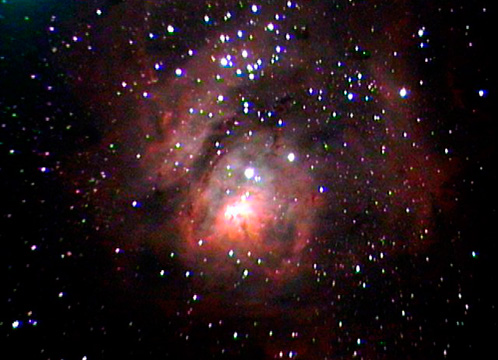
Lagoon Nebula
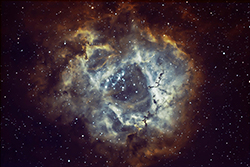
NGC 2244, The Rosette Nebula
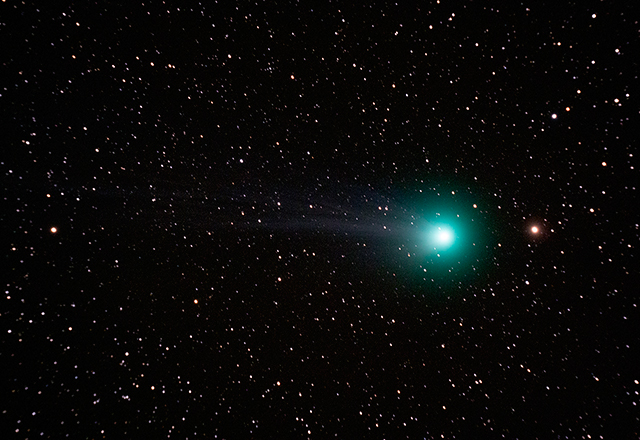
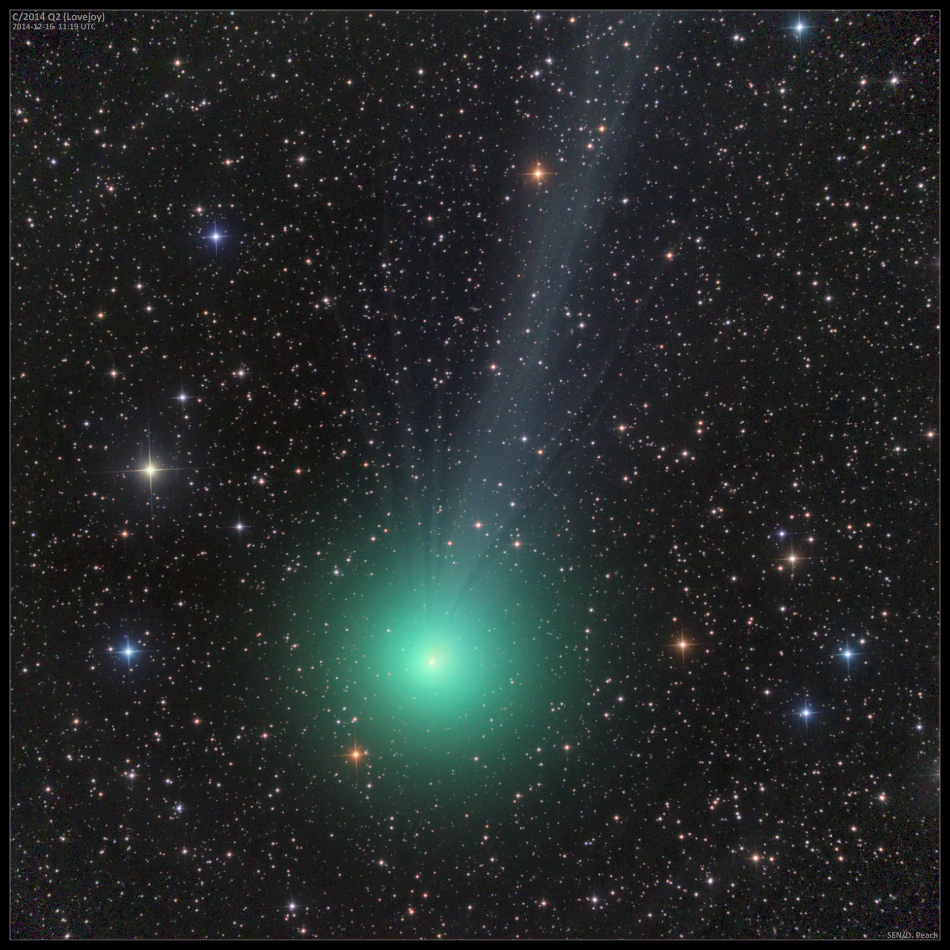
Comet c/2014 Lovejoy
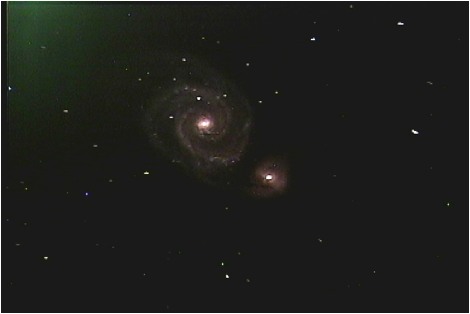
M51 Whirlpool Galaxy
Learning About Astronomy

Astronomers
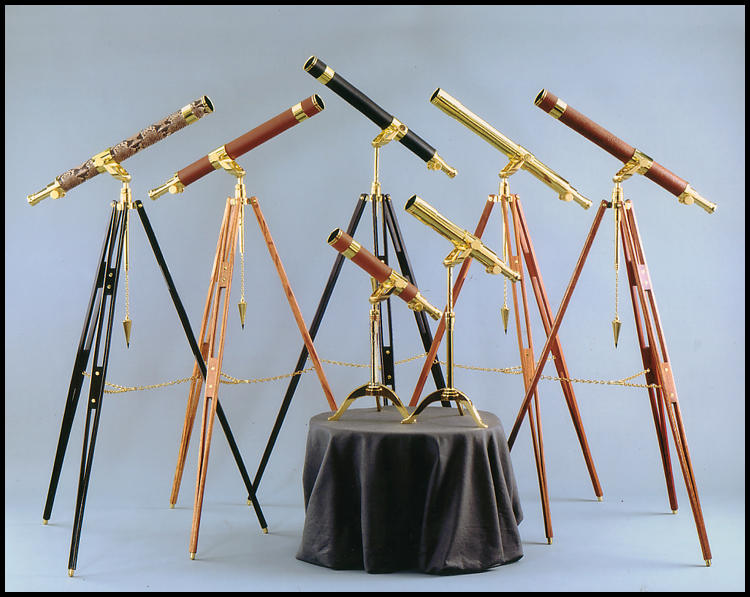
Telescopes
NASA Space Place
Just for kids
Astronomy Picture of the Day
Online Tools
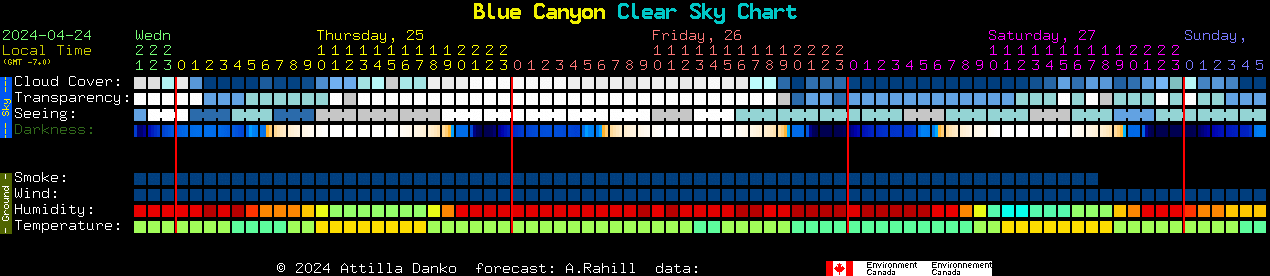
Clear Dark Sky
Astrospheric
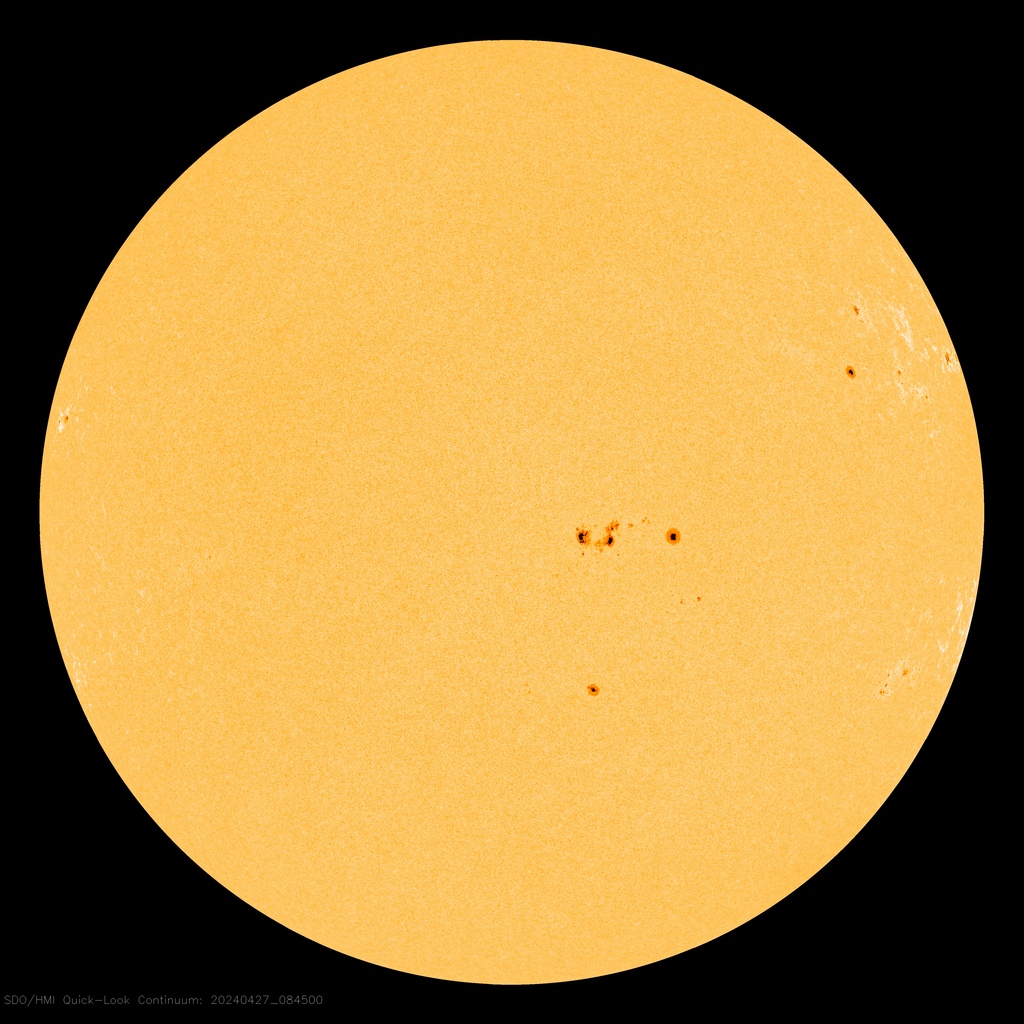
Current Sun Image*
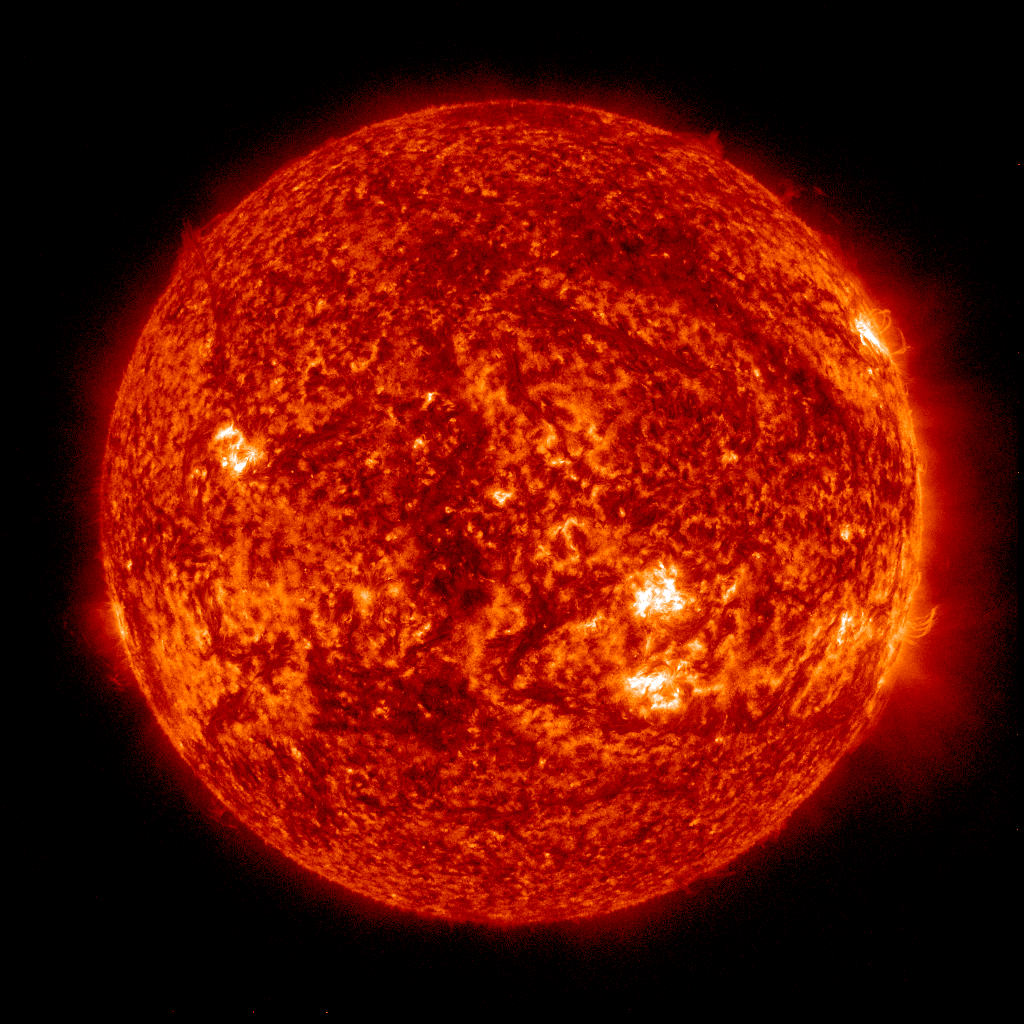
Current Sun AIA304*
Heavens Above
Sky-at-a-glance
The Sky Live
Sky & Telescope News

Astronomy Magazine News

SPACE.com

NASA.gov

CalSky
*Courtesy of NASA/SDO and the AIA, EVE, and HMI science teams
Donations
As a 501(c)3 organization, your donations to the SVAS are tax deductable.
Please consider a donation through the
.
Membership
Membership
- Monthly Member Star Parties
- STAR-B-Q! (Our Big Annual Star Party)
- Monthly Imaging Classes
- Observatories under Dark Skies
- Night Sky Network
- Free General Meetings w/ Renowned Speakers
- Members Only Email Groups
How to Become a Member
To become a member of the SVAS, please use our Online Membership Form to fill out, print, and mail the application to the address indicated on the form along with a check for your yearly dues. The online form is designed to work with Chrome, Firefox, Internet Explorer and Microsoft Edge browsers. If you have problems with this, use the PDF Membership Form to print, fill out and sign the SVAS Application and Activities Waiver..
Approval of all SVAS membership applications must be voted on by the Officers and Directors of the Board. This occurs at the monthly Board Meeting.
Review the SVAS Bylaws.
Review the SVAS Special Rules of Order.
Review the Blue Canyon Guide.
Review the SVAS HGO Observatory Visit and Activities Waiver and Release of Liability Agreement.
Membership Types |
Annual Dues | |
|---|---|---|
| GENERAL: | Individual or all family members (in same household) enjoy monthly star parties, the Annual STAR-B-Q, loaner scopes, telescope making, and more. |
Contact Us

Officers



Directors





Committees
| ATM – Amateur Telescope Making: | Lonnie Robinson |
| Media Contact: | Michal Warzecha |
| Membership: | Kevin Normington |
| Newsletter: | Editor |
| Observatory: | Gergo Baldauf |
| Outreach/School Star Parties: | Michal Warzecha |
| Scholarship: | Michal Warzecha |
| Speaker Seeker: | Seekers |
| Web Site: | Kevin Normington (webmaster) |
Sacramento Valley Astronomical Society
PO BOX 15274
SACRAMENTO CA 95851-0274
501(c)(3) Registered Nonprofit Organization - Donate
In Memorium. . .
Thomas Braun
We remember with gratitude our former Outreach Director, Thomas Braun. Thom had a gift for inspiring wonder—whether guiding students through the stars at school star parties or organizing unforgettable trips to Yosemite. His passion for sharing the universe left a lasting impact on our community. He will be deeply missed.